In the remote regions of the world where FAIRMED operates, medical care is virtually inaccessible. Doctors and nurses are scarce, and health centers are far away. Families are left to fend for themselves, and even simple health problems can have serious consequences.
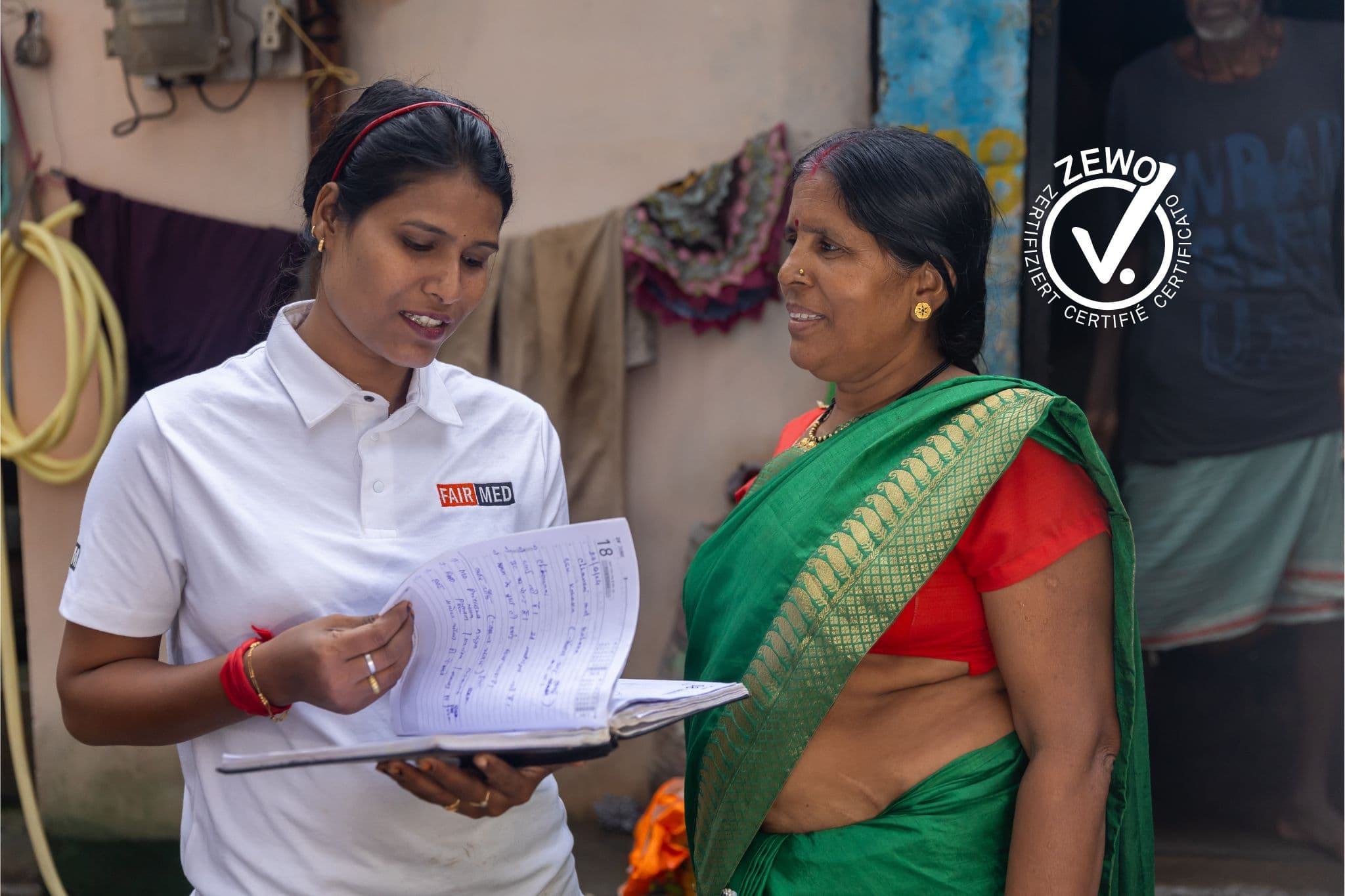
That is why FAIRMED invests in the local people. Through training and continuing education, we strengthen both local healthcare workers and volunteer health workers. They recognize illnesses early on, provide care for pregnant women, treat patients, and bring vital knowledge to communities in the most remote corners of the world.
Local Healthcare Workers: Knowledge That Endures
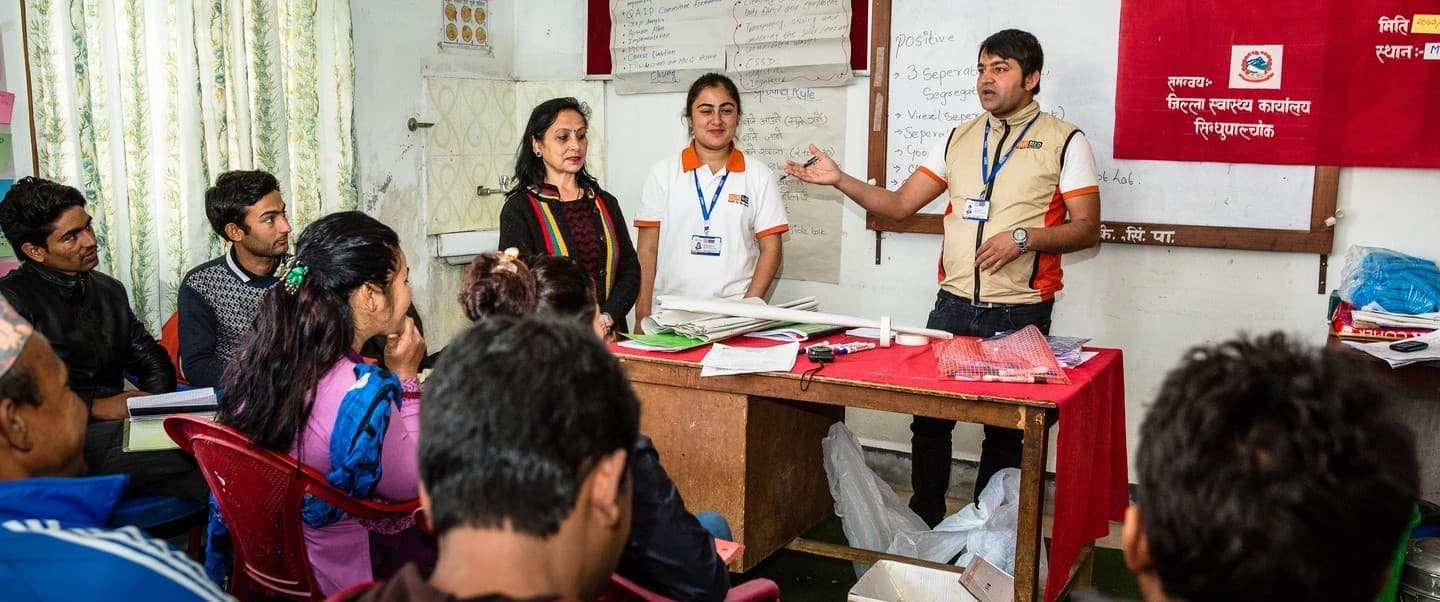
Thanks to the training and continuing education programs organized by FAIRMED, healthcare professionals are able to correctly diagnose and treat neglected tropical diseases, among other things. In this way, they ensure that medical knowledge is available where it is needed most.
The hands-on training programs range from obstetrics and emergency medical services to the treatment of neglected tropical diseases and the maintenance of medical equipment. This benefits entire communities. People gain access to medical care, mothers can give birth more safely, and diseases are detected and treated early.


Volunteer Health Workers: The First Point of Contact in the Village
Volunteer health workers are the first point of contact for health-related questions. They live in the communities, enjoy the trust of the local population, and are able to reach people who live far from health centers. They raise awareness about health issues in everyday life, thereby building knowledge that continues to benefit communities across generations.

Immediate Assistance
FAIRMED trains healthcare workers to recognize the early signs of illness—particularly neglected tropical diseases—conduct basic examinations, treat minor ailments, and determine when further medical care is necessary. In such cases, they help establish contact with health centers and organize transportation.
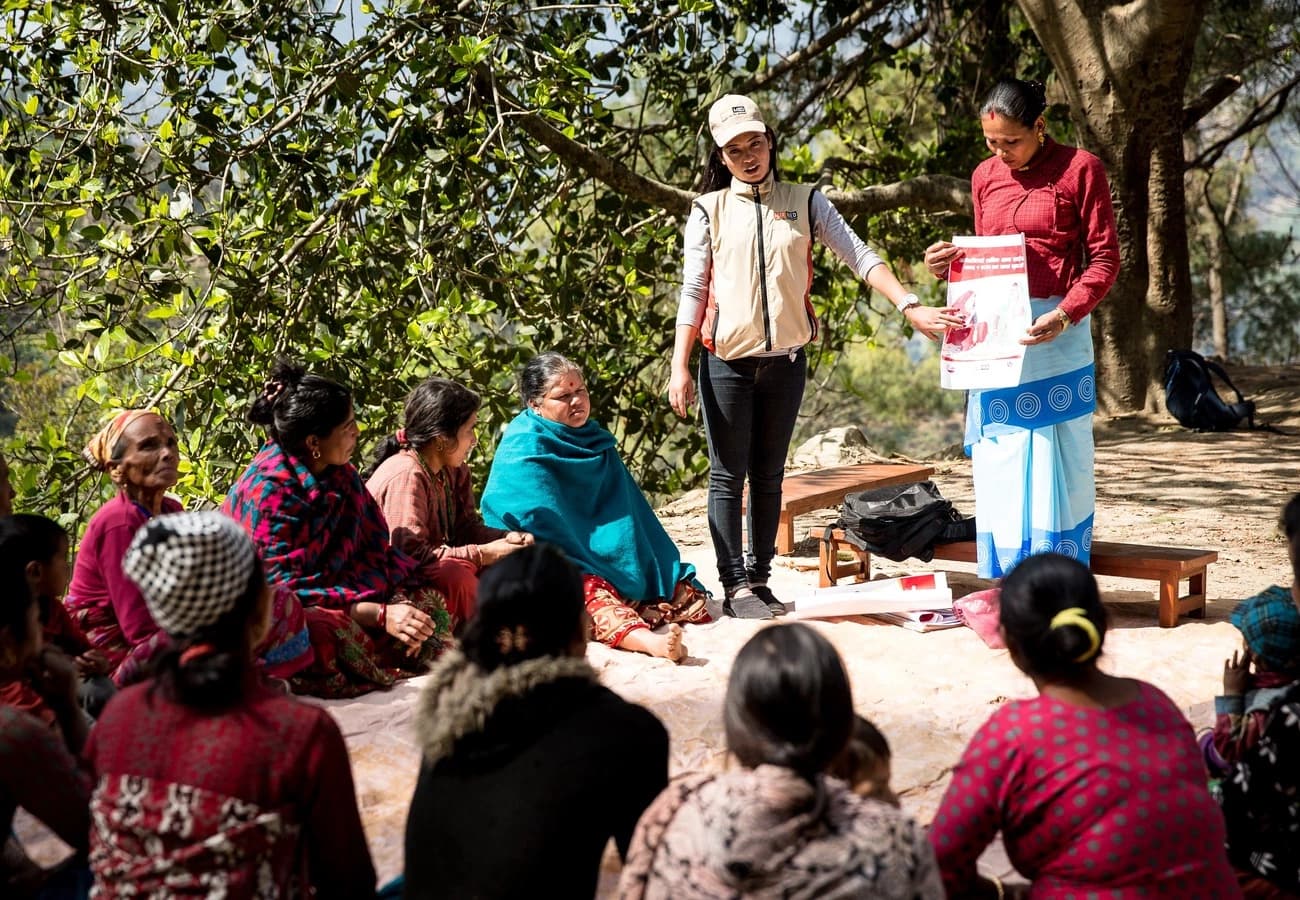
Mothers' Groups
To enable pregnant women and new mothers to share experiences on a regular basis, FAIRMED trains health workers to lead mothers' groups. In these groups, the health workers provide information to the women on topics such as prenatal checkups, the benefits of medically assisted childbirth, and proper infant care.
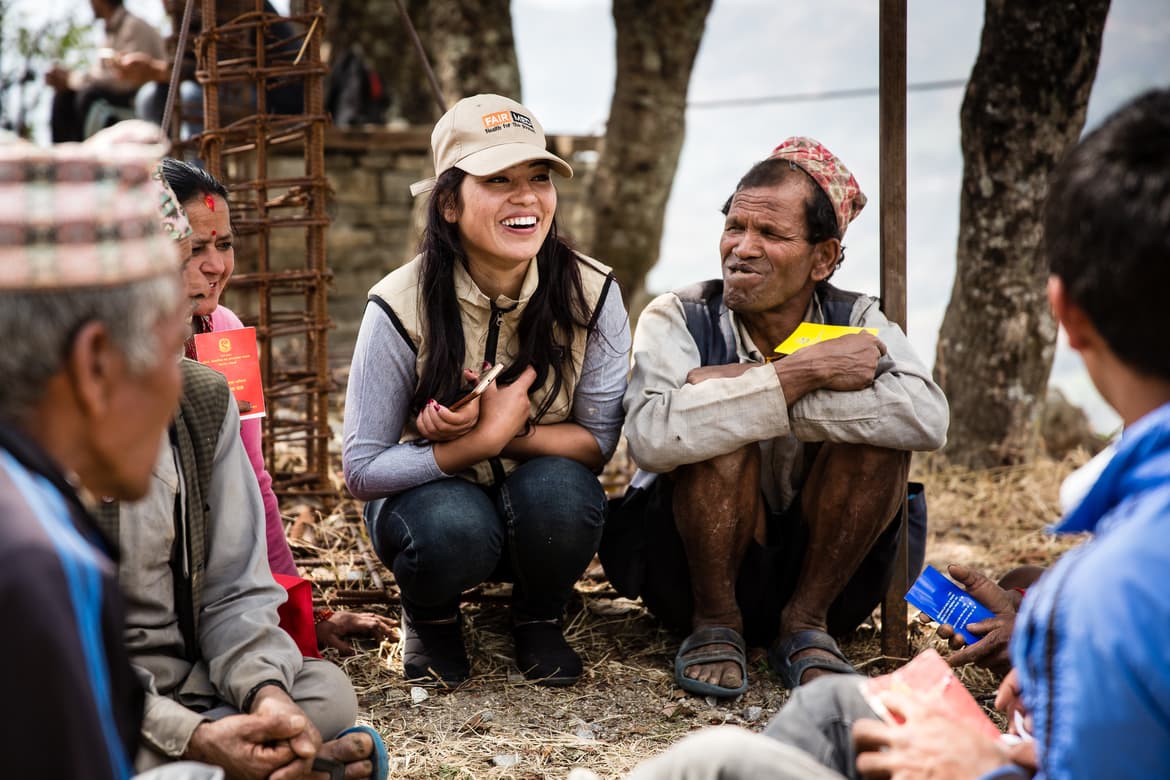
Self-Help Groups for People with Disabilities
FAIRMED also trains healthcare professionals in leading self-help groups for people with disabilities. Participants learn how to apply for government assistance, which assistive devices can make their daily lives easier, and what types of training or continuing education are available to them.
Your donation makes a difference
Your donation helps fund training and education that saves lives—from the very first minute. Every donation, no matter the amount, is valuable and is used by us around the world to improve the health of the poorest people.