In Cameroon, many people live in poverty, in remote areas, and far from the nearest health station. To reach the nearest hospital, they often have to undertake long walks or travel on barely passable roads. The transport costs further exacerbate their poverty. At the same time, neglected tropical diseases such as leprosy, Buruli ulcer or yaws are widespread, and maternal and child mortality rates are high. Particularly affected are indigenous communities like the Baka, who have suffered from discrimination, poverty, and lack of access to medical care for generations.
Together with our loyal donors, we have been working for many years to ensure that even the poorest and most neglected people in Cameroon have access to healthcare. Together we create health structures that save lives and enable people to have a better future in the long run.
Your Donation for Cameroon!
This is how your donation works
FAIRMED works closely with local authorities, health institutions, and communities in Cameroon to sustainably improve healthcare. The focus is on prevention, early detection, and treatment of neglected tropical diseases as well as the health of mothers and children and the support of people with disabilities. For this purpose, we train health professionals and volunteer health workers, strengthen health centers with medical equipment and medicines, and bring medical aid to remote villages with mobile health services.
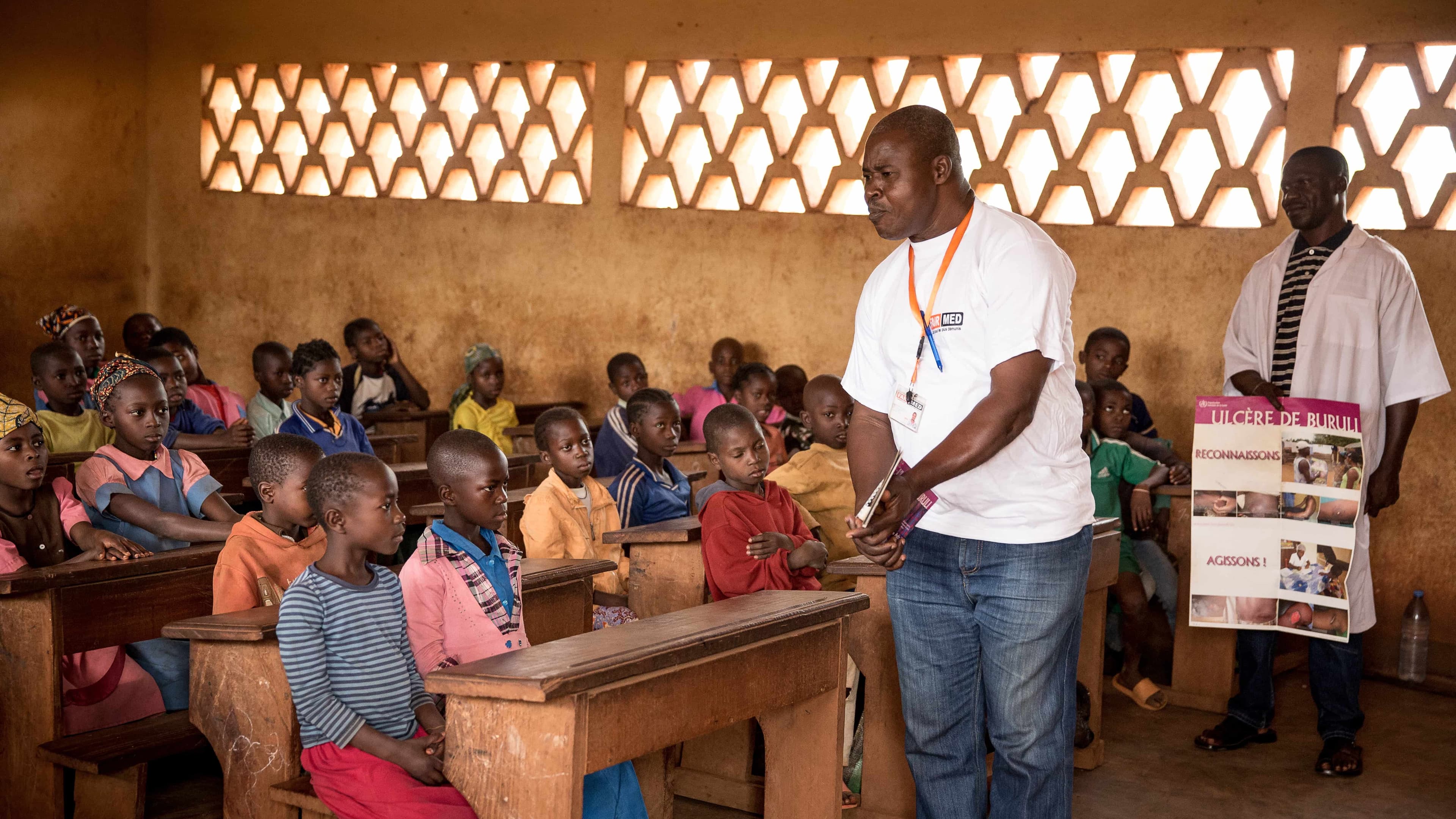
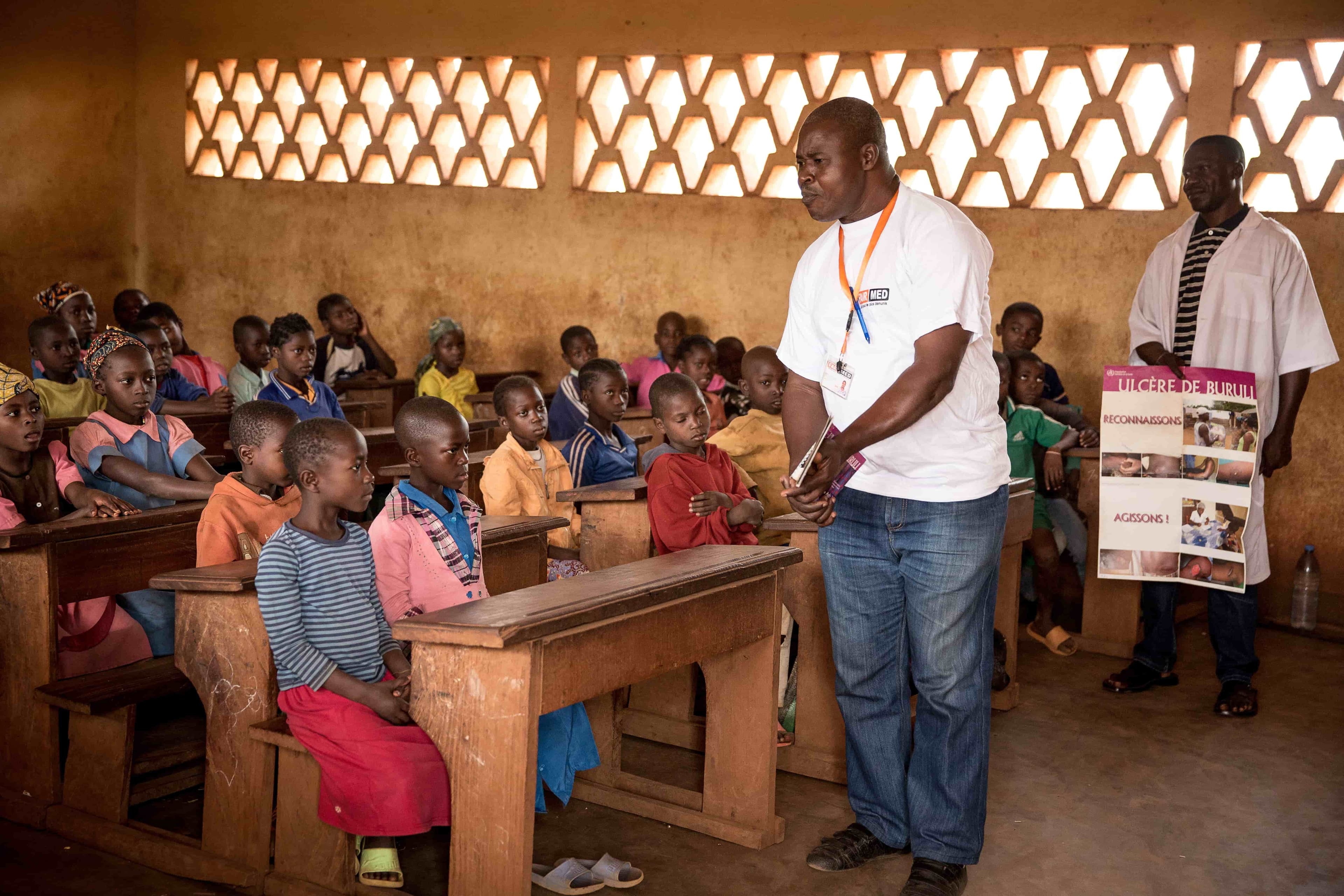
At the same time, we sensitize the population to ensure diseases are recognized and treated early, before they lead to disabilities or life-threatening complications. Our goal is not only to treat diseases but also to build strong health systems together with local partners, which function independently in the long term and enable even the poorest access to high-quality healthcare.
More about our work
Where in Cameroon is FAIRMED active?
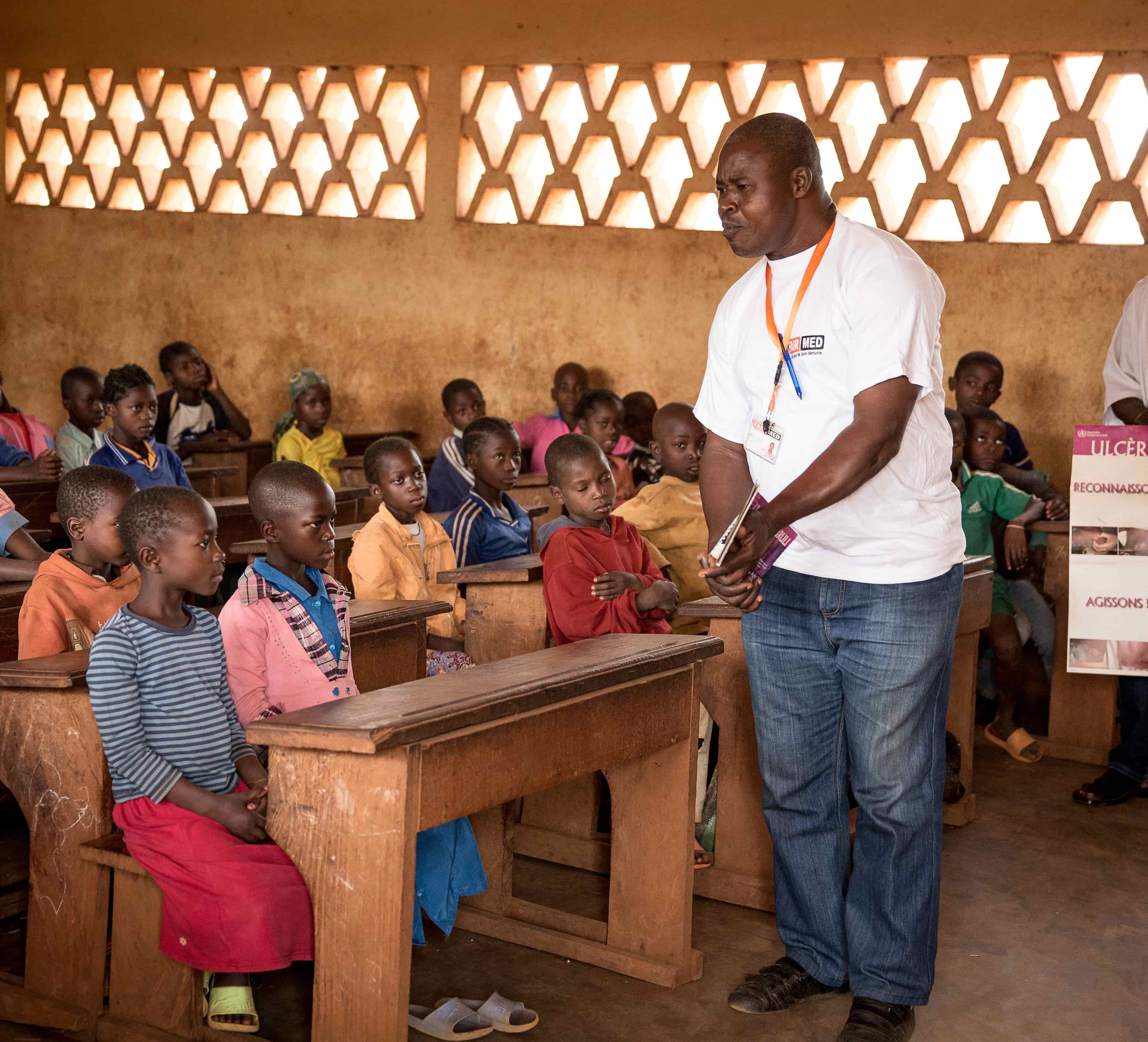
FAIRMED works in various remote regions of Cameroon. In the Mapé project , we operate in the health districts of Malantouen, Yoko, and Bankim in western Cameroon. There, we improve access to medical care for poor and disadvantaged people. The Maàgnike-ko project is located in Abong-Mbang in eastern Cameroon. There, we particularly support the indigenous Baka population in accessing health services.
What does FAIRMED do for women and children?
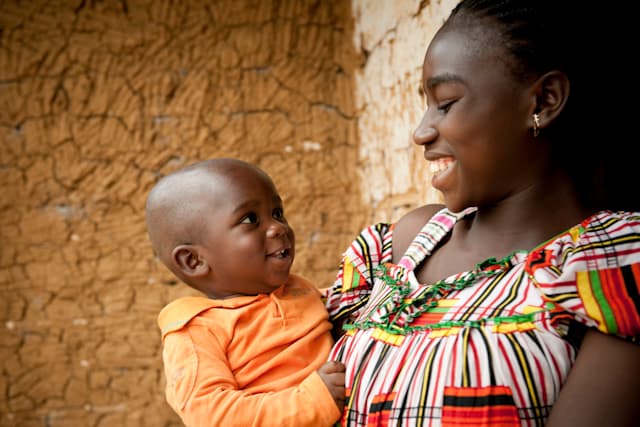
FAIRMED identifies and removes barriers women face in accessing health services, information, and participation opportunities. We promote the self-determination and leadership of women within the communities and also within our organization.
Furthermore, the healthcare of pregnant women and mothers serves as important access to reach particularly disadvantaged population groups. For this, we support mobile health services and preventive examinations, improve the equipment of healthcare facilities, train medical staff, and promote safe births and postnatal care. Learn more about it here.
Does FAIRMED provide emergency aid?
In crisis situations – such as cholera, measles, or mpox outbreaks, or after floods – FAIRMED supports those affected with quick, targeted measures.
We combine long-term development cooperation with humanitarian aid. Together with communities, we strengthen their ability to prepare for crises, recognize risks early, and act quickly in case of emergency. We succeed in this thanks to our local employees. They live close to the affected areas and can respond to new challenges within a few hours. They do not have to travel from afar, as they are already on site. They are also well networked with local authorities and know how to organize food, clothing, and medicine.
This creates resilient health systems that provide people with security and hope not only in everyday life but also in the most difficult moments.
Which NTDs are common in Cameroon?
In Cameroon, neglected tropical diseases such as leprosy, Buruli ulcer, yaws, lymphatic filariasis, onchocerciasis, schistosomiasis, worm infections, trachoma, African sleeping sickness, and leishmaniasis are prevalent.
What does FAIRMED do against corruption?
Since corruption can occur at the local government level, FAIRMED operates its own country offices in all project countries and directly controls the flow of funds. Funds never go to governments but exclusively to carefully selected local employees. During project planning, collaboration with partners is clearly defined—including responsibilities and funding sources.
Strict monitoring and external audits ensure that irregularities and deviations in our project activities and their funding are noticed. Additionally, FAIRMED implements anti-corruption programs in Cameroon and all project countries, conducts risk analyses, and ensures transparency with reporting systems.
Does FAIRMED work with the government?
FAIRMED has been working closely with the government in Cameroon for many years to sustainably strengthen the health system. Among other things, we analyze the challenges in service delivery with the authorities and develop effective, needs-based, and locally adapted solutions together.
Among other things, FAIRMED supports national NTD programs in expanding healthcare. This includes:
Training of health professionals and community health workers
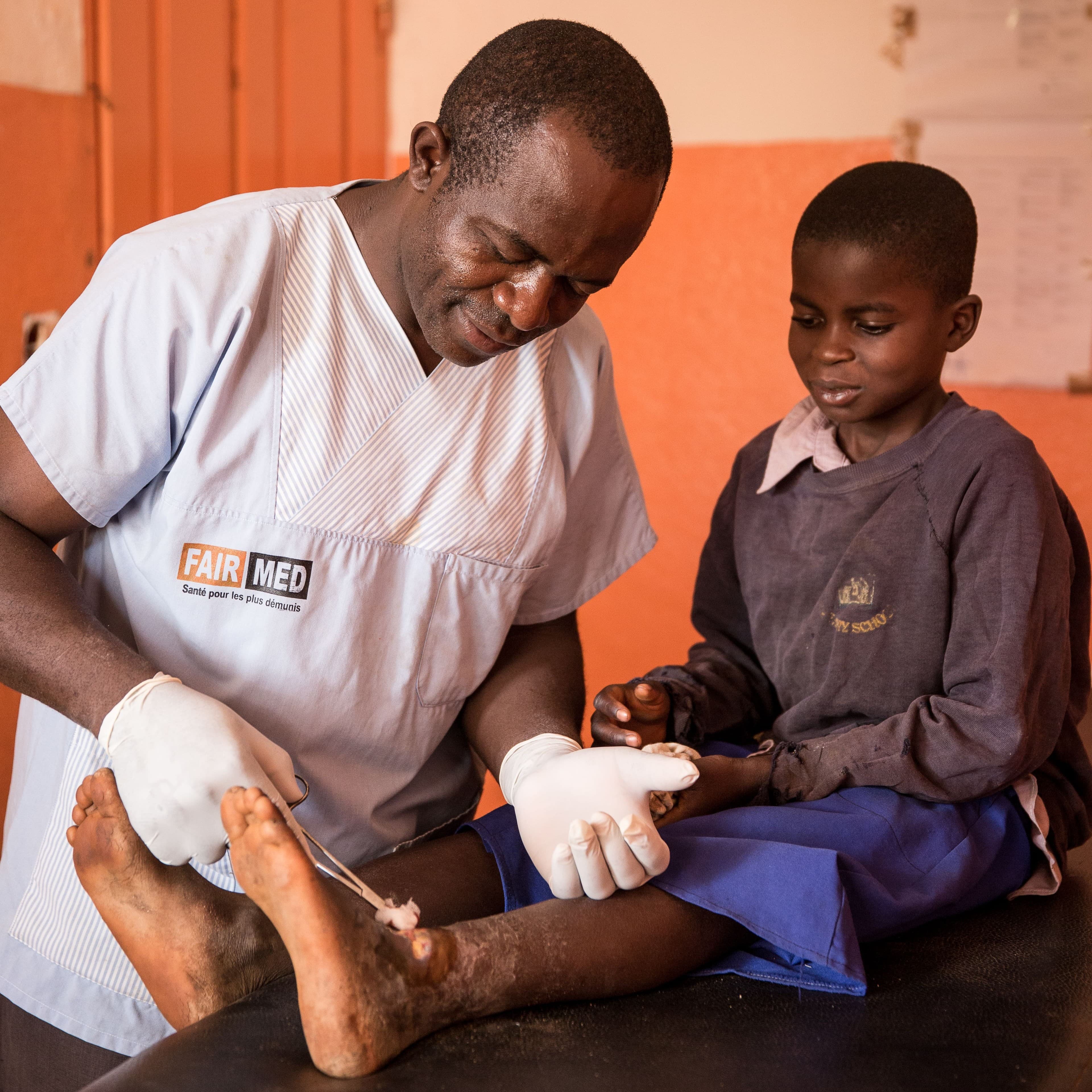
Improving diagnostics and wound care
Strengthening health data and reporting systems
Raising public awareness, as well as early detection and referral of affected individuals
Collaboration with traditional healers, former patients, and local leaders
In this way, FAIRMED contributes to better coordination of health services and access to high-quality care for even remote populations.
Moreover, FAIRMED has repeatedly conducted large-scale medication campaigns to combat yaws in cooperation with the government. Learn more about it here.
How can I donate to the Cameroon projects?
With your support, you provide hope and help ensure that even people in the most remote regions of Cameroon receive medical care. Here is the donation page. Thank you very much!
How does my donation work and does it reach its destination?
Thanks to your donation, even the poorest in Cameroon gain access to urgently needed healthcare. How we achieve this together with people like you, you can learn in the FAIRMED annual report. And if you would like to receive regular insights into our work and the people on the ground, follow us on social media. In Cameroon, last year we, among other things:
Reached 114,468 people
Treated 10,359 people
Enabled 6,384 safe births
Trained 412 healthcare professionals and aides and further trained
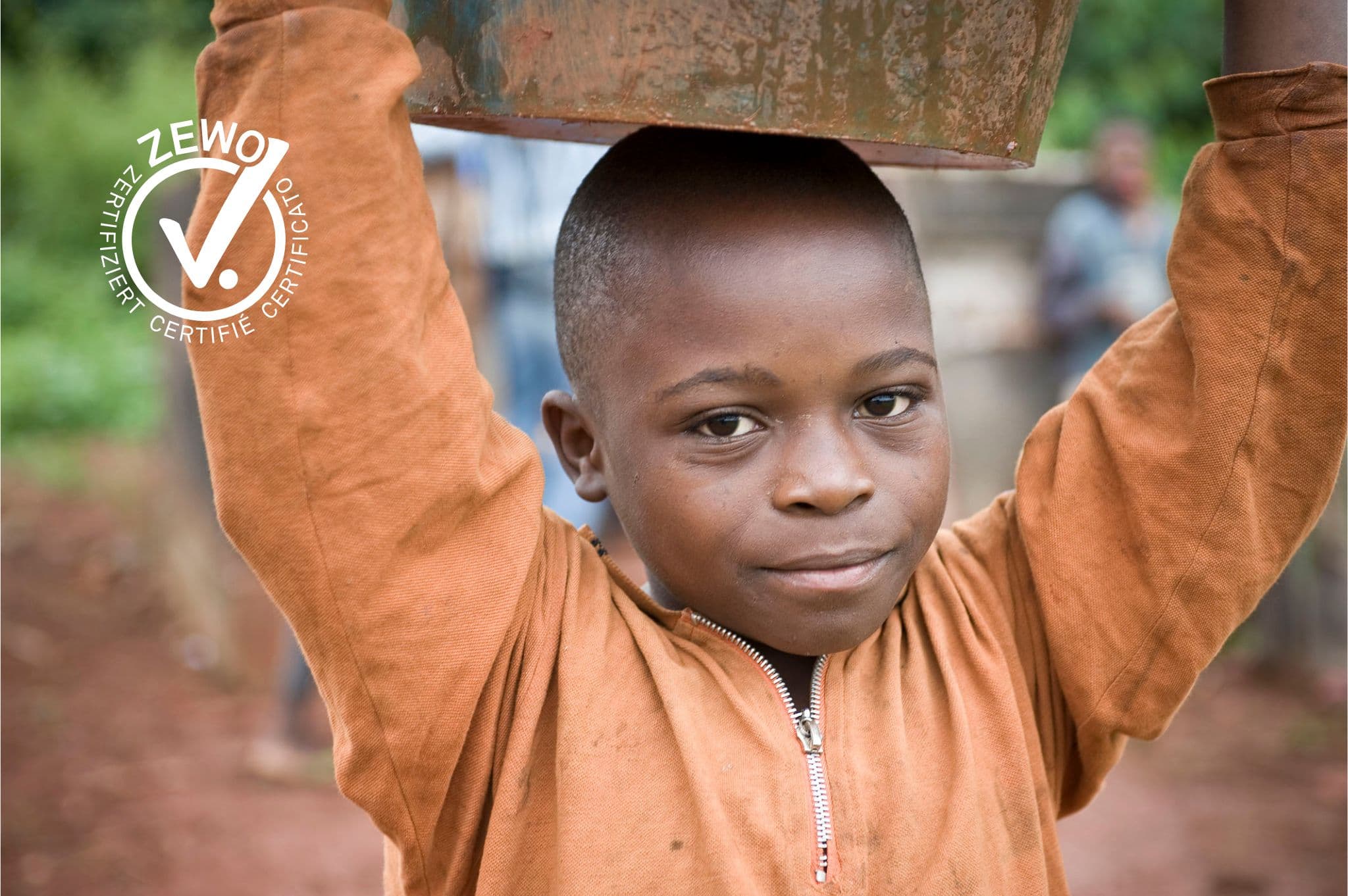
The ZEWO foundation also regularly confirms with its seal of approval that we use donations efficiently and purposefully. It additionally assesses our integrity, transparency, and sustainability. Since 1963, we have been carrying the ZEWO seal of approval, which guarantees that donations flow directly into our projects and that we maintain a lean and small administration. It is proof from a neutral source that our operational processes are professional and efficient and are constantly improved. Furthermore, we disclose in our annual reports all expenses and show what we were able to achieve and how we have used your donations.
The FAIRMED projects in Cameroon

Cameroon
Project «Maàgnike-ko»
Cameroon
Project «Mapé»
Cameroon
Combating Skin NTDs
Do you have questions on the project?
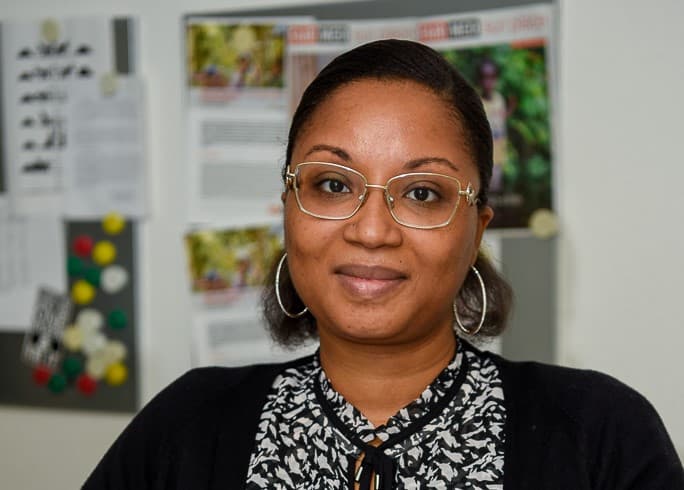
If so, Vanessa Konaté, our Programme Officer for Cameroon and the Central African Republic, will be happy to help. You can reach her by e-mail at info@fairmed.ch.
Your donation helps!
A diagnosis should not be a fate. With your donation, you give the poorest people in Cameroon the chance for a healthy future. Every contribution helps to change lives.