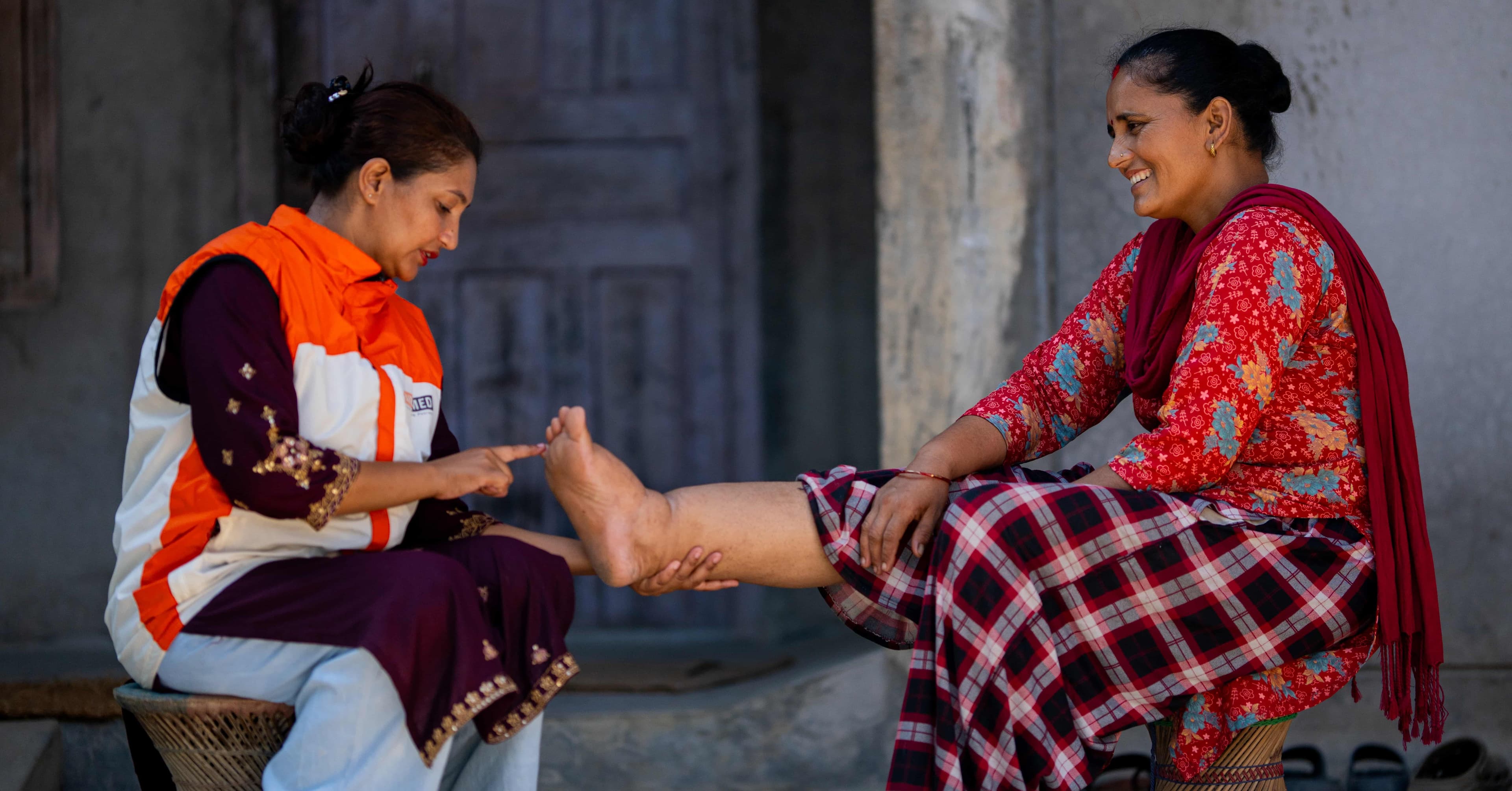
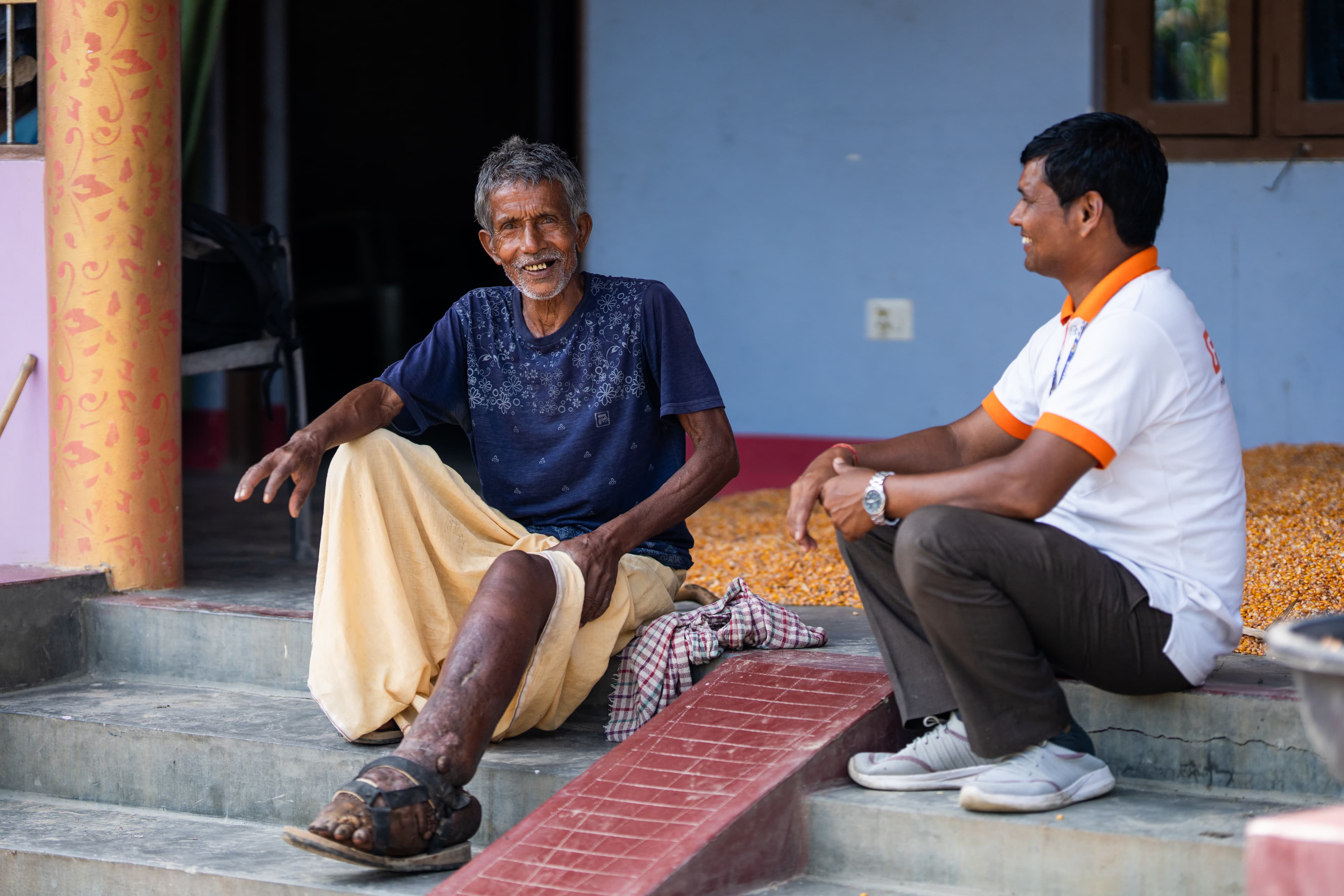
Worm infections — which are classified as neglected tropical diseases — primarily affect people who lack access to clean water, sanitation, and a functioning healthcare system. Transmission usually occurs through contaminated water, contaminated soil, or poor hygiene. Children are particularly at risk.
Even though parasitic worm infections are rarely directly fatal, they have a significant impact on health and development: among other things, they cause chronic abdominal pain, diarrhea, anemia, malnutrition, and stunted growth. Performance in school and at work is often significantly impaired, which further pushes those affected into poverty. And this is despite the fact that treatment with tablets is relatively simple and inexpensive.
FAIRMED’s Efforts to Combat Worm Infections
Through our projects in Africa and Asia, we are committed to combating various parasitic worm infections, such as onchocerciasis, schistosomiasis, and lymphatic filariasis. Among other things, we ensure that people in particularly remote regions are examined by our health workers for symptoms of these diseases and, if necessary, receive proper treatment.
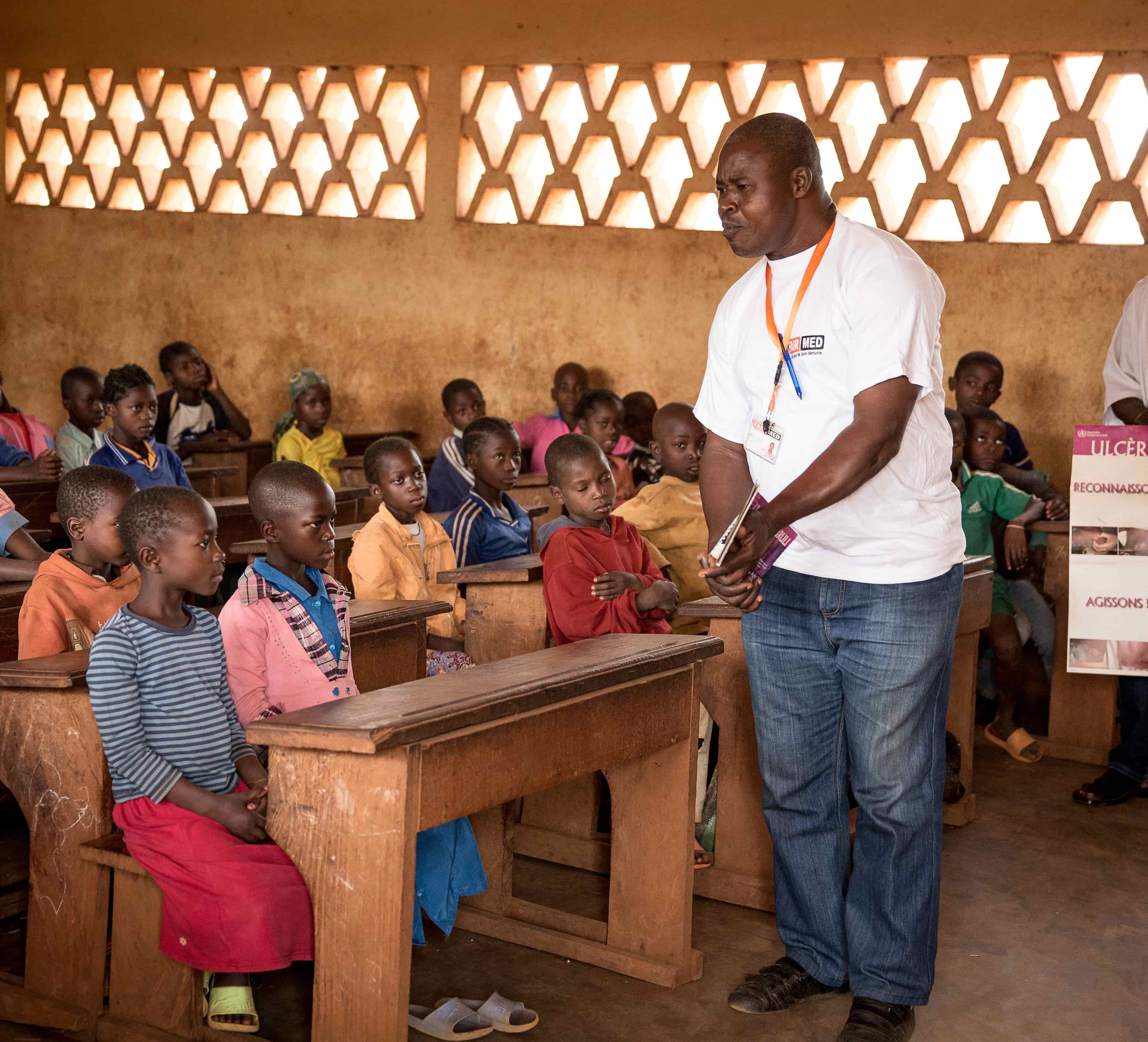
At the same time, our health workers conduct comprehensive outreach in the affected communities to educate people about parasitic worm infections, break down prejudices, and combat the stigma associated with these diseases. In addition, FAIRMED is committed to ensuring that people living with disabilities as a result of their illness receive the necessary support and rehabilitation. Furthermore, FAIRMED supports large-scale campaigns in which medications for parasitic worm infections are distributed to the population.

Mass Treatment Campaigns Against Elephantiasis
One example of this is the recurring mass treatment campaigns against lymphatic filariasis, also known as elephantiasis, which FAIRMED organizes in collaboration with the government of Nepal. Affected individuals and people in high-risk areas are treated with a combination of several anti-worm tablets over a period of four to six years. Depending on the treatment regimen, the tablets must be taken once or twice a year. It is particularly important that the mass treatment campaigns reach the majority of the affected population and that treatment is consistently carried out over several years. Only in this way can the cycle of infection and transmission be sustainably and permanently broken.
However, this requires reaching people in Nepal’s most remote regions as well. Since FAIRMED is known in Nepal as an organization that operates in remote and hard-to-reach areas, it was not surprising that the Nepalese government asked FAIRMED to assist with the mass campaigns. The goal is to eliminate this “disease of poverty”—which affects more than half a billion people worldwide and, without early treatment, causes severe swelling of the limbs, leading to lifelong, incurable disabilities—in Nepal by 2030.
The campaign in the video:
Your donation makes a difference!
A diagnosis doesn't have to be a death sentence. With your donation, you give the poorest people in the most remote corners of the world a chance at a healthy future. Every contribution helps change lives.
Your donation matters!
A glimpse into FAIRMED's projects

Nepal
Project «Sindhu»

Central African Republic
Project «Seni na Siriri»
Cameroon