Why we are needed
In Sindhupalchowk district, neglected tropical diseases (NTDs) such as leprosy, elephantiasis or worm diseases not only lead to suffering due to a lack of medical care - those affected also often experience social rejection and discrimination. This particularly affects people with disabilities, whose limitations are often the result of untreated NTDs. In addition, Sindhupalchowk is one of the districts of Nepal most at risk from natural disasters such as floods and earthquakes. Another problem is the high maternal and neonatal mortality rate. The rate of home births is extremely high at 65% due to the lack of access to birthing centers and adherence to traditional norms, and one in three pregnant women is affected by worm infections, which can lead to pregnancy and birth complications (such as severe blood loss).
How we work
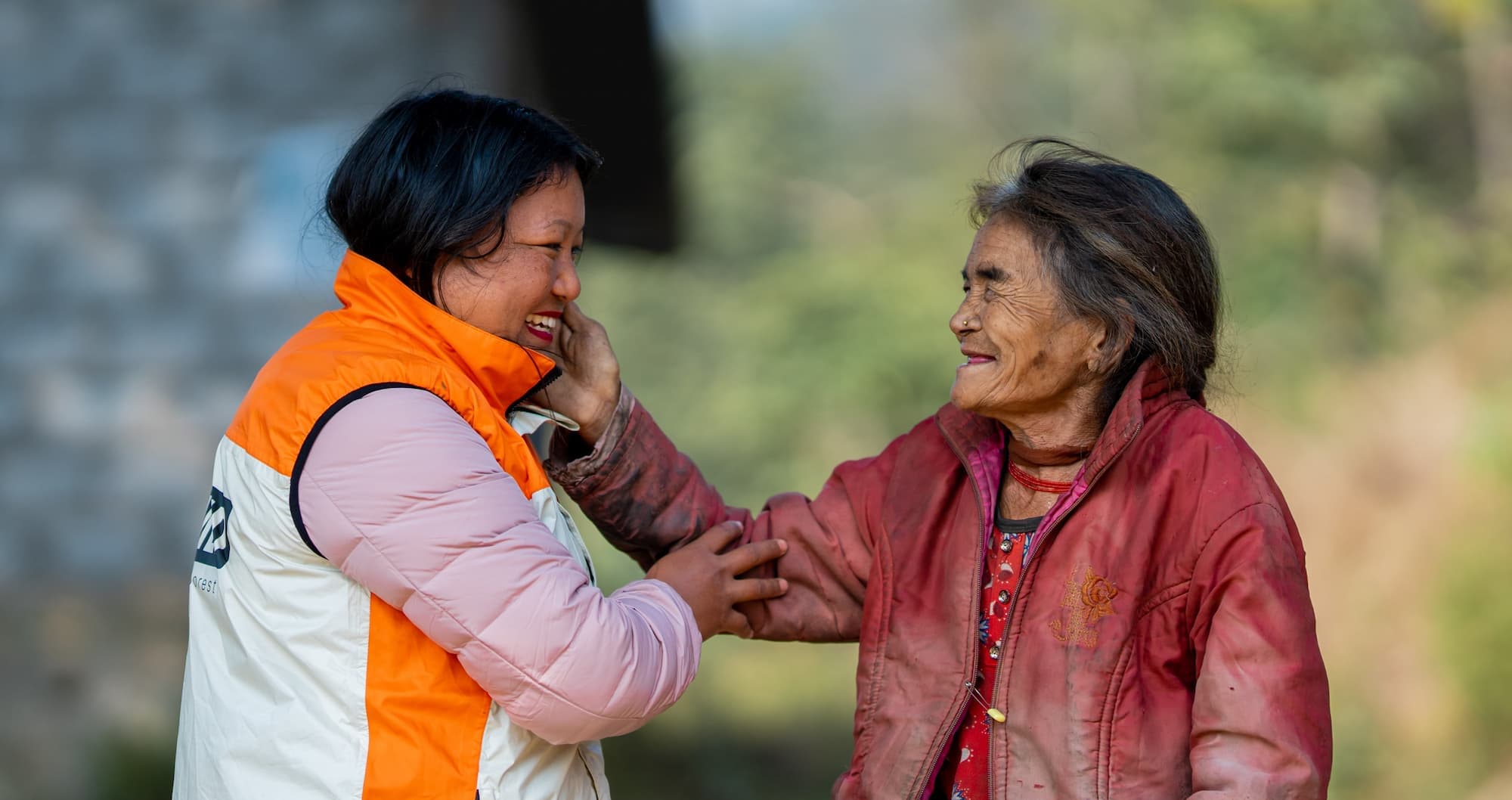
The “Sindhu” project is being implemented in 12 communities in the Sindhupalchowk district in the province of Bagmati in north-eastern Nepal. Here we are improving the health of around 190,000 people, including many mothers, children, pregnant women, people with disabilities, ethnic minorities and those affected by neglected tropical diseases. We are committed to ensuring that even remote regions in the project area have access to medical care. At the same time, we provide healthcare facilities with essential medicines, for example, and train local medical staff. Another focus is on awareness-raising work: we inform the population about how to recognize the first symptoms of neglected tropical diseases and what they can do themselves to promote their health - including in self-help and mothers' groups. We also train volunteer health workers who then take their knowledge into the communities.
Do you have questions on the project?
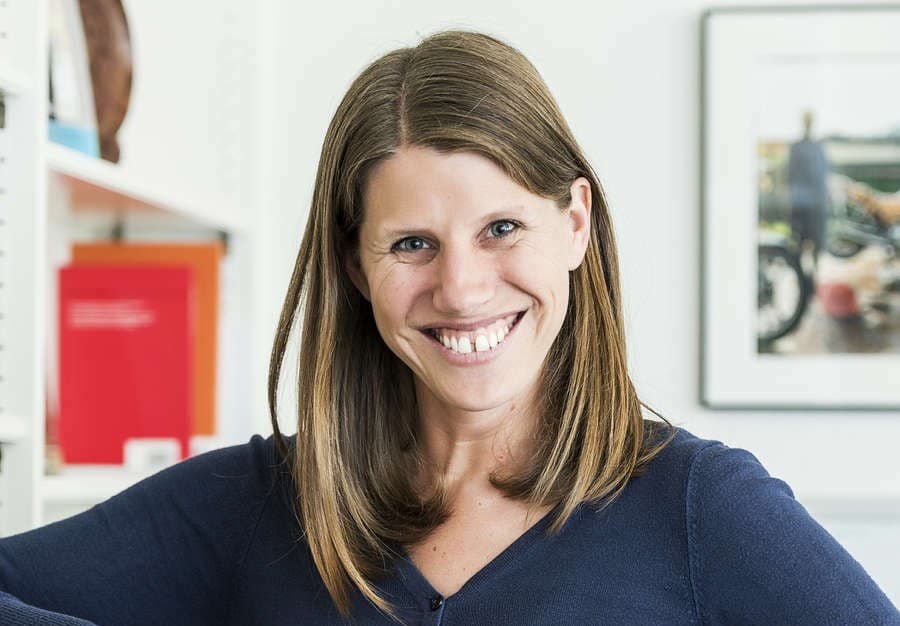
If so, Sybille Imhof, our project manager for Nepal, will be happy to help. You can reach her by e-mail at info@fairmed.ch.
Your donation helps
With your donation, you’re giving the poorest people in Nepal the chance for a healthy future. Every contribution helps change lives.
